
You’ve probably spotted those speckled pots and pans at the store and wondered what “granite ware” really means. The name sounds natural and durable, but does that actually tell you anything about safety? Let’s get into what this cookware is made of and what science says about cooking with it.
What Granite Ware Actually Is?
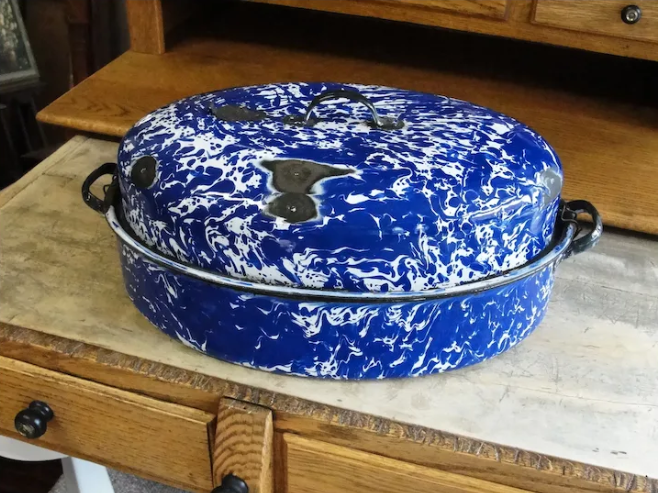
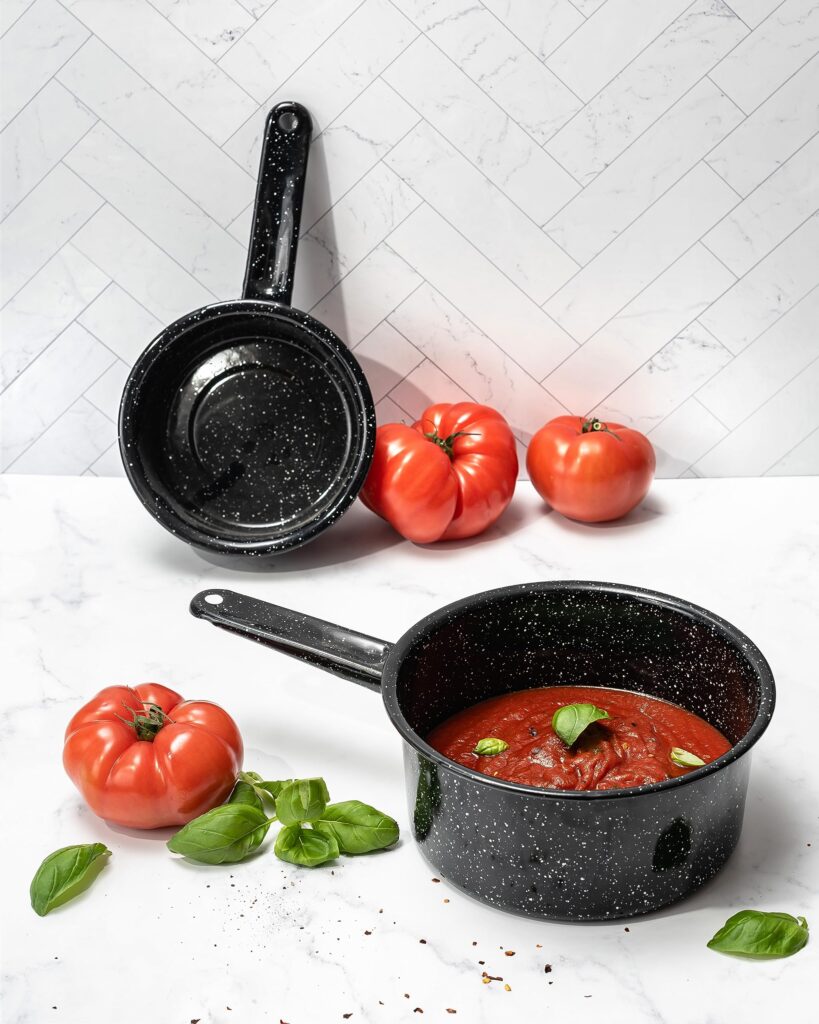
Granite Ware consists of a steel core fused with porcelain enamel at extremely high temperatures—around 1,500 to 2,000 degrees Fahrenheit. The speckled appearance that gives it the “granite” name comes from applying an oxidized pattern to hot porcelain. There’s no actual granite stone in these pans.
This type of cookware has been part of American kitchens for nearly 150 years, so it’s got some serious staying power. The process originated in Germany back in the 1700s and became wildly popular because it created a smooth, non-reactive cooking surface.
The Granite Ware brand specifically makes their cookware from carbon steel coated with a layer of inert glass (porcelain enamel). That porcelain coating is what touches your food, not the metal underneath.
So Is It Actually Safe to Cook With?
The porcelain enamel surface is non-porous, PFOA and PTFE-free, and won’t leach chemicals into your food. That’s the good news right there.
Unlike those modern non-stick pans that have everyone worried about forever chemicals, traditional granite ware (the real porcelain enamel kind) doesn’t contain:
- PFOA (perfluorooctanoic acid)
- PTFE (Teflon)
- PFAS (forever chemicals)
The porcelain enamel coating is inert, meaning it won’t leach chemicals or metals into your food while you cook. The glass-like surface creates a barrier between your food and the metal core underneath.
But Wait, There’s a Catch About “Granite Cookware”
Here’s where things get confusing. “Granite cookware” has become a marketing term that different manufacturers use for totally different products. Some cookware marked as “Granite” is made from a metal base covered with PTFE, vitreous enamel, or other coatings.
Some modern “granite stone” pans are actually:
- Aluminum with a granite-patterned non-stick coating
- Coatings that may contain PTFE or other synthetic materials
- Not traditional porcelain enamel at all
Being PFOA-free has become standard, but many manufacturers simply replaced PFOA with PTFE (Teflon), which breaks down into PFAS. So you really need to check what’s actually in that speckled pan.
What About Heavy Metals?
This is a legitimate concern with enamel cookware. Lead was originally used in the glazing process to give that smooth, glass-like finish, though modern cookware manufacturers have moved to safer techniques.
FDA regulations and California Proposition 65 enforce stringent rules to control acceptable levels of lead and cadmium in cookware. Reputable brands like the Granite Ware company and Le Creuset comply with these safety standards.
However, older pieces from decades ago might not be as safe. In the 1970s, high levels of cadmium were found in pigments used to color the inside of enamelware, before regulations became stricter. If you’re using vintage pieces from grandma’s kitchen, you might want to test them or just display them instead.
Some enameled cookware may have trace amounts of lead on the outside of bright-colored pots, though the interior enamel should be completely free of lead.
Things That Can Go Wrong
Even safe cookware needs proper care. If the enamel coating chips or cracks, it might expose the underlying material, impacting safety. That aluminum or steel core underneath can then leach into your food, especially when cooking acidic things like tomato sauce.
If the enamel is compromised, it may expose the aluminum core, potentially leading to metal leaching into food. Once you see chips or cracks, it’s time to retire that pan.
Some other concerns:
- Chipped enamel can flake into your food
- Exposed metal rusts and corrodes
- The pan loses its non-reactive properties
How to Use Granite Ware Safely?
Want your enamel cookware to last? Follow these tips:
Use wood or silicone utensils instead of metal ones to maintain the integrity of the coating. Metal utensils scrape the surface and create chips.
Let the cookware cool before rinsing or soaking to avoid cracking from thermal shock. Tossing a hot pan under cold water can crack the enamel instantly.
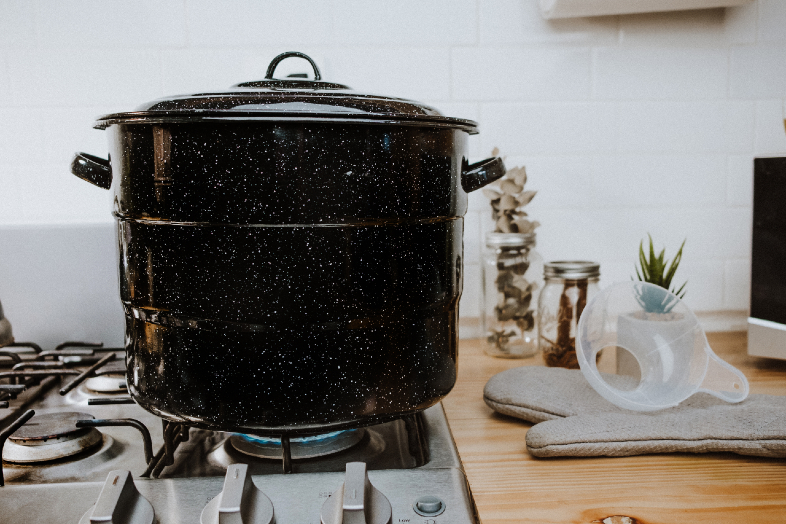
Heat the cookware to a maximum of medium-high heat, as high heat can ruin coatings. Even though porcelain enamel is heat-resistant, sudden temperature changes are its enemy.
Don’t heat empty pans—always add oil, water, or food first. Clean gently without abrasive scrubbers that scratch the surface.
Making Smart Choices When Shopping
Not all “granite” cookware is created equal. Here’s what to look for:
Check if it says “porcelain enamel” or “vitreous enamel.” That’s the real deal.
Make sure the cookware is labeled as PFOA and PTFE-free to minimize health risks. Don’t assume all granite-patterned cookware is chemical-free.
Buy from reputable manufacturers who provide clear information about materials and testing. Reputable brands adhere to strict manufacturing standards to ensure products are free from toxic substances.
Look for products made in countries with strong safety regulations. Avoid unlabeled imports where you can’t verify what’s in the coating.
Your Burning Questions About Granite Ware Safety
Can granite ware go in the dishwasher?
Most genuine porcelain enamel granite ware is dishwasher safe. The porcelain enamel surface is tough enough to withstand machine washing. But always check the manufacturer’s instructions first, since hand washing extends the life of any cookware.
What’s the difference between granite ware and ceramic cookware?
Granite ware is composed of an aluminum or steel core coated with porcelain enamel fused at high temperatures. Ceramic cookware often has a ceramic coating over metal. Both can be safe, but granite ware tends to be more durable and scratch-resistant in most cases.
Is granite ware safe for babies and children?
Yes, when you use authentic porcelain enamel granite ware from reputable manufacturers. The natural ceramic surface is non-porous, PFOA and PTFE-free, and won’t leach chemicals into food. Just make sure there are no chips or cracks that could expose the metal underneath.
Can I use metal utensils on granite ware?
You really shouldn’t. Metal utensils can chip or scrape the surface, potentially exposing the metal core beneath. Stick with wooden or silicone utensils to keep the coating intact and your cookware safe.
How do I know if my vintage granite ware is safe?
Older pieces from before the 1980s might contain lead or cadmium in unsafe amounts. Cookware made in past decades may be more likely to be contaminated with heavy metals. Consider having vintage pieces tested with a lead testing kit before cooking with them, or just use them for decoration.
What temperature can granite ware handle?
The steel core and porcelain enamel can withstand typical oven temperatures for baking, roasting, and warming. Most are oven-safe up to at least 350-400°F. Check your specific product’s instructions, but avoid extreme heat or sudden temperature changes that could crack the enamel.
Does chipped granite ware need to be thrown away?
If the enamel chips, the exposed metal can rust, corrode, and leach into your food. Small chips on the outside rim aren’t a huge deal, but any chipping on the cooking surface means it’s time to replace the pan or repurpose it for non-food storage.
Is granite ware better than stainless steel?
They’re different tools for different jobs. Granite ware doesn’t react with acidic foods and requires less oil for cooking. Stainless steel pans do leach nickel, along with some chromium and iron, especially with longer cooking times and acidic foods. Both are safe when used properly—it depends on what you’re cooking.
The Bottom Line on Safety
Real granite ware—the traditional porcelain enamel on steel kind—is genuinely safe cookware. The porcelain surface is all-natural and won’t alter the color, taste, or nutritional value of your food. It’s been used safely for generations.
But you need to be smart about what you’re actually buying. That trendy speckled pan might be traditional enamel, or it might be aluminum with a synthetic coating. Read labels carefully, ask questions, and stick with brands that are transparent about materials.
Once you’ve got the real thing, take care of it. No metal utensils, no thermal shock, no abrasive cleaning. Treat it right and you’ll have safe, reliable cookware that lasts for years.